




Great quality product very happy with purchase
![[JPMCarbon] SB Style Carbon Fiber Side Skirt Add-on Lips Fits For 2023-2026 Toyota PRIUS PHEV XW60](https://cdn.shopify.com/s/files/1/0774/1263/0850/files/XW60SSSBCF_XW60-3_3.jpg?v=1754377706)
Ancora da montare ma adatto alla mia auto
![[JPMCarbon] D Style Carbon Fiber Trunk Spoiler Fits For 2006-2014 Mercedes-Benz W216 CL-Class Coupe](https://cdn.shopify.com/s/files/1/0774/1263/0850/files/W216TDCF_1.jpg?v=1709797491)
Very nice pleased with purchase

Perfect fit quality build. I could not be happier. It looks awesome on the car.
![[JPMCarbon] C Style Carbon Fiber Trunk Spoiler Fits For 2017-2023 Mercedes-Benz S213 E-Class Estate Only](https://cdn.shopify.com/s/files/1/0774/1263/0850/files/S213TCCF_2.jpg?v=1753425687)
Very nice real carbon fiber spoiler. Only thing it is missing is a vent hole for when the car bakes in the hot south florida heat while parked. So not to trap the heat. To offset not having vent hold for heat escape. I did not put vhb on the left and right side. Give the hot air escape vent from the side of the spoiler.
The look of the carbon fiber is beautiful, the carbon fiber weave is excellent. Way nicer then the plastic spoiler with print carbon fiber look that you can get of 1/2 price from ebay or amazon. The pricing of the spoiler is not extravagant as Japanese made ones. This Taiwanese made spoiler is excellent with excellent fit that i have seen on japanese made one. Well worth the cost
![[JPMCarbon] AG Style Carbon Fiber Trunk Spoiler Fits For 2023-2026 Toyota PRIUS PHEV XW60](https://cdn.shopify.com/s/files/1/0774/1263/0850/files/XW60TACF-4_0afe8ab7-8753-4be6-b439-015629b1a6b9.jpg?v=1789177302)
Great quality and fitment

Amazing. Identical to what was on my car.
![[JPMCarbon] R Style Carbon Fiber Trunk Spoiler Fits For 2010-2016 Mercedes-Benz W212 E-Class Sedan](https://cdn.shopify.com/s/files/1/0774/1263/0850/files/W212TRCF_2.jpg?v=1709790733)
Looks great! Perfect fit! Quick delivery!
![[JPMCarbon] Carbon Fiber Front Bottom Add-on Lip Fits For 2014-2019 Chevrolet Corvette C7 w/ Replica ZR1 Bumper](https://cdn.shopify.com/s/files/1/0774/1263/0850/files/CHVC7FLZ1CF_IK_C7-97_1.jpg?v=1732074915)
Great quality pieces, carbon weave is beautiful and fits perfect on my f30!
![[JPMCarbon] DP Style Carbon Fiber Rear Bumper Add-on Splitter Lips Fits For 2012-2018 BMW F30 F31 with M-Sport Package Only](https://cdn.shopify.com/s/files/1/0774/1263/0850/files/F30MRSLJPCF_F30-35_3.jpg?v=1710134731)
FIT WAS AWESOME, IT REALLY COMPLIMENTED AND COMPLETED THE VEHICLE BODY LINES. VERY HAPPY WITH THE INSTALLATION.
I WAS ABLE TO PERFORM IT ALL IN MY GARAGE WITH A LITTLE PATIENCE FOR A BIG REWARD
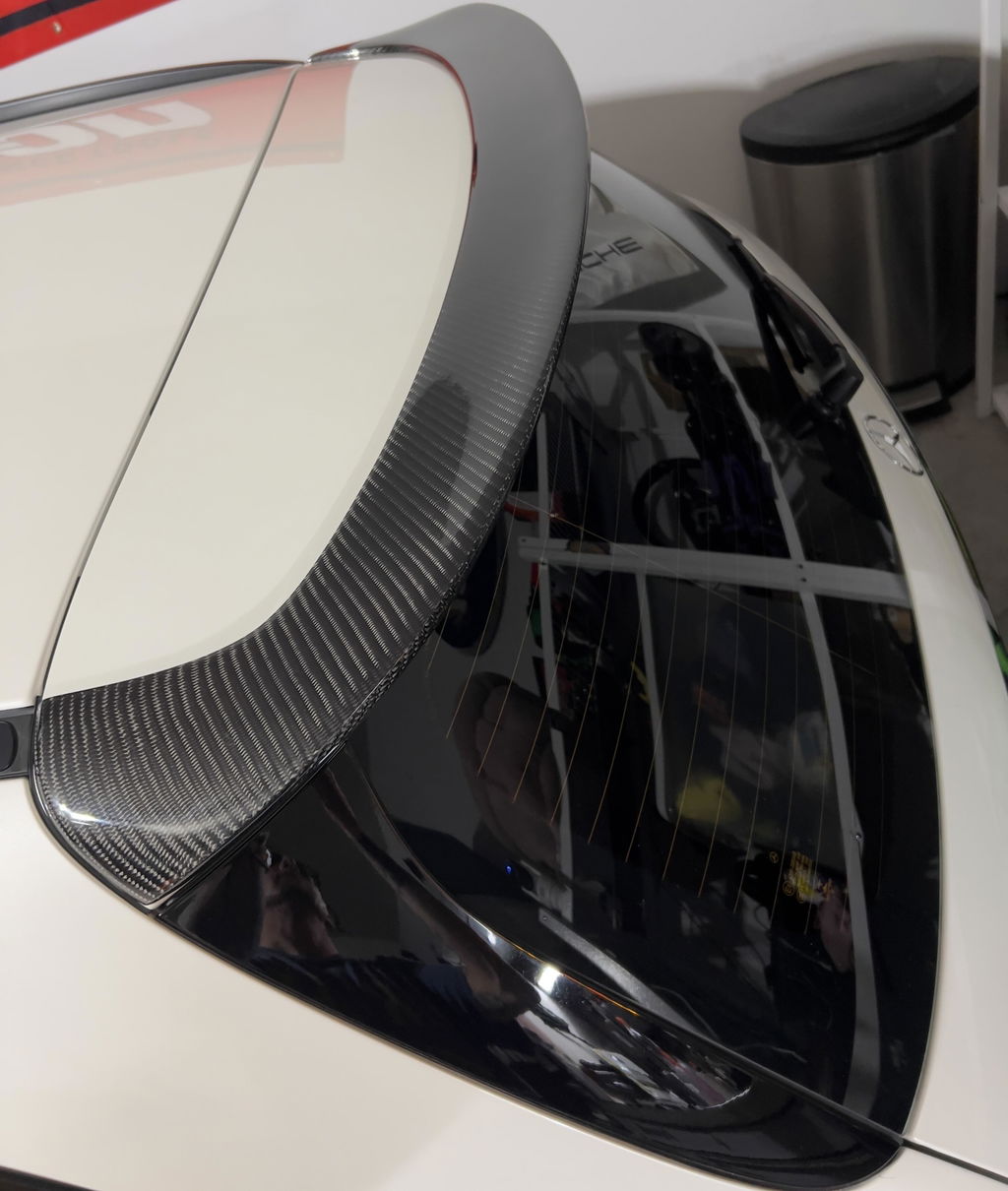
fits perfectly

Perfect fit, looks great
![[JPMCarbon] M Style Front Kidney Grille Fits For 2019-2023 BMW G29 Z4 Only](https://cdn.shopify.com/s/files/1/0774/1263/0850/files/G29MFGGB_1.jpg?v=1734422188)
It fits perfect. The only thing is that you cover the nuts in the corner, i think you should leave it free for me to use. But the part is very good i will recomend to others. Also the shipping was perfect.
![[JPMCarbon] OEM Style Carbon Fiber Trunk Spoiler Fits For 2000-2009 Honda S2000 Only](https://cdn.shopify.com/s/files/1/0774/1263/0850/files/S2000TOECF_1.jpg?v=1709779842)

Fits great ! these guys provide a very good quality product
Thank you
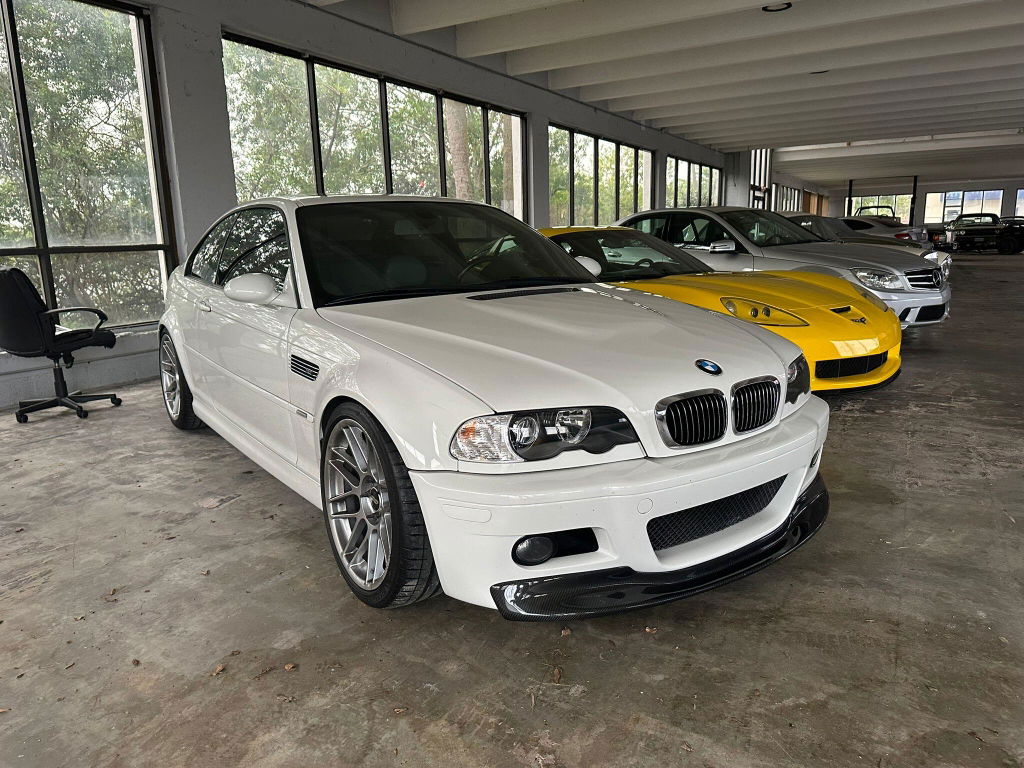
![[JPMCarbon] CSL Style Carbon Fiber Front Bumper Add-on Lip Fits For 2001-2006 BMW E46 M3 Only](https://cdn.shopify.com/s/files/1/0774/1263/0850/files/E46M3FLCSLCF_E4614_2.jpg?v=1688614989)
Perfect fit, good quality


Very reliable parts and sturdy highly recommend them? I will be back for more parts fast and quick shipping 5 stars
![[JPMCarbon] AG Style Carbon Fiber Front Bumper Add-on Lip Fits For 2015-2018 Lexus RC with F-Sport Package Only](https://cdn.shopify.com/s/files/1/0774/1263/0850/files/RCF15FLAGCF_RC15-1_1.jpg?v=1690962860)
Installed with a nice clean fit and looks great!
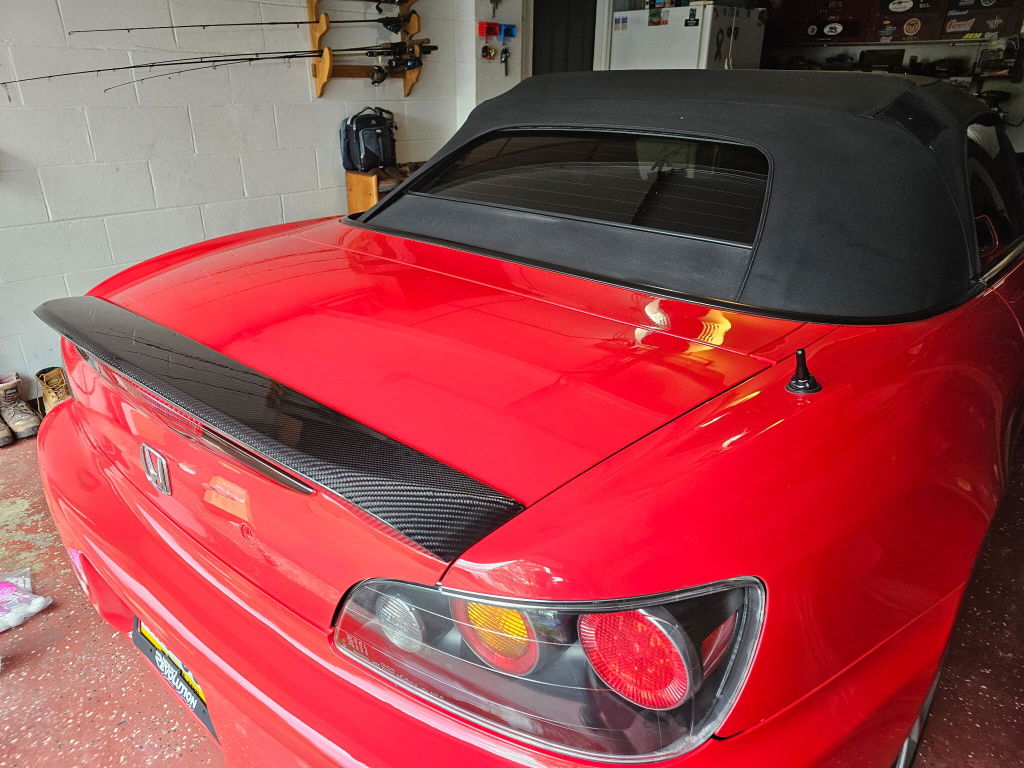
Great product and great customer service.
![[JPMCarbon] DP Style Carbon Fiber Trunk Spoiler Fits For 2014-2019 BMW F34 3-Series GT Only](https://cdn.shopify.com/s/files/1/0774/1263/0850/files/F34TOECF_3.jpg?v=1738804289)
The quality was great, the figment was spot on and I’m glad I purchased them. They completed the look I was going for.
![[JPMCarbon] STI Style Carbon Fiber Side Skirt Add-on Lips Fits For 2022-2025 Toyota GR86 & Subaru BRZ](https://cdn.shopify.com/s/files/1/0774/1263/0850/files/BRZ22SSSTCF_ZD-3_1_6a5d5949-7743-4bb2-a1e0-128df38280a1.jpg?v=1763113530)
Fits great
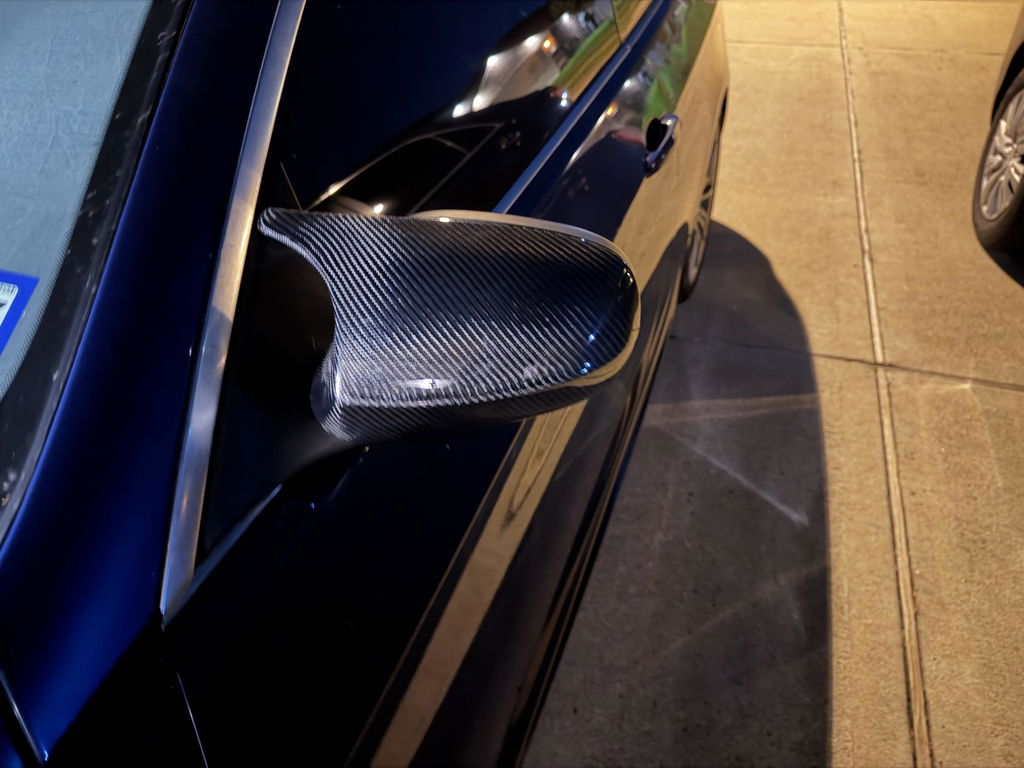
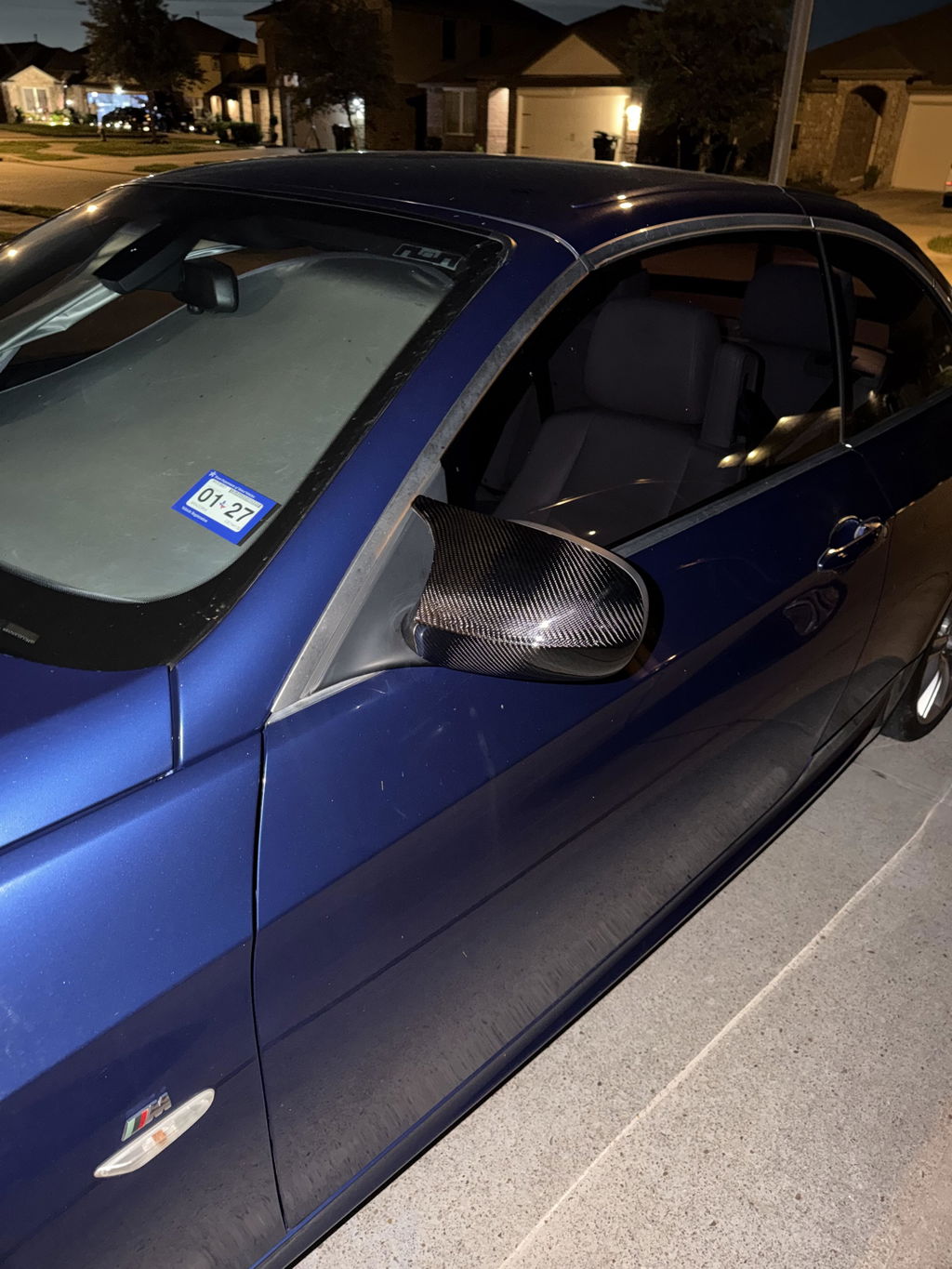
![[JPMCarbon] M3 Style Carbon Fiber Replacement Mirror Covers Fits For 2011-2013 BMW E92 E93 LCI Only](https://cdn.shopify.com/s/files/1/0774/1263/0850/files/E92MCCF-RM2_1.jpg?v=1710399181)
Came quick and product fits nicely and look to be good quality
![[JPMCarbon] F Style Carbon Fiber Trunk Spoiler Fits For 2006-2013 Lexus IS250 IS350 ISF Sedan Only](https://cdn.shopify.com/s/files/1/0774/1263/0850/files/IS06TFCF_1.jpg?v=1758682813)
real carbon fiber, unlike most scammer, Very clean product, perfect fitment, highly recommended
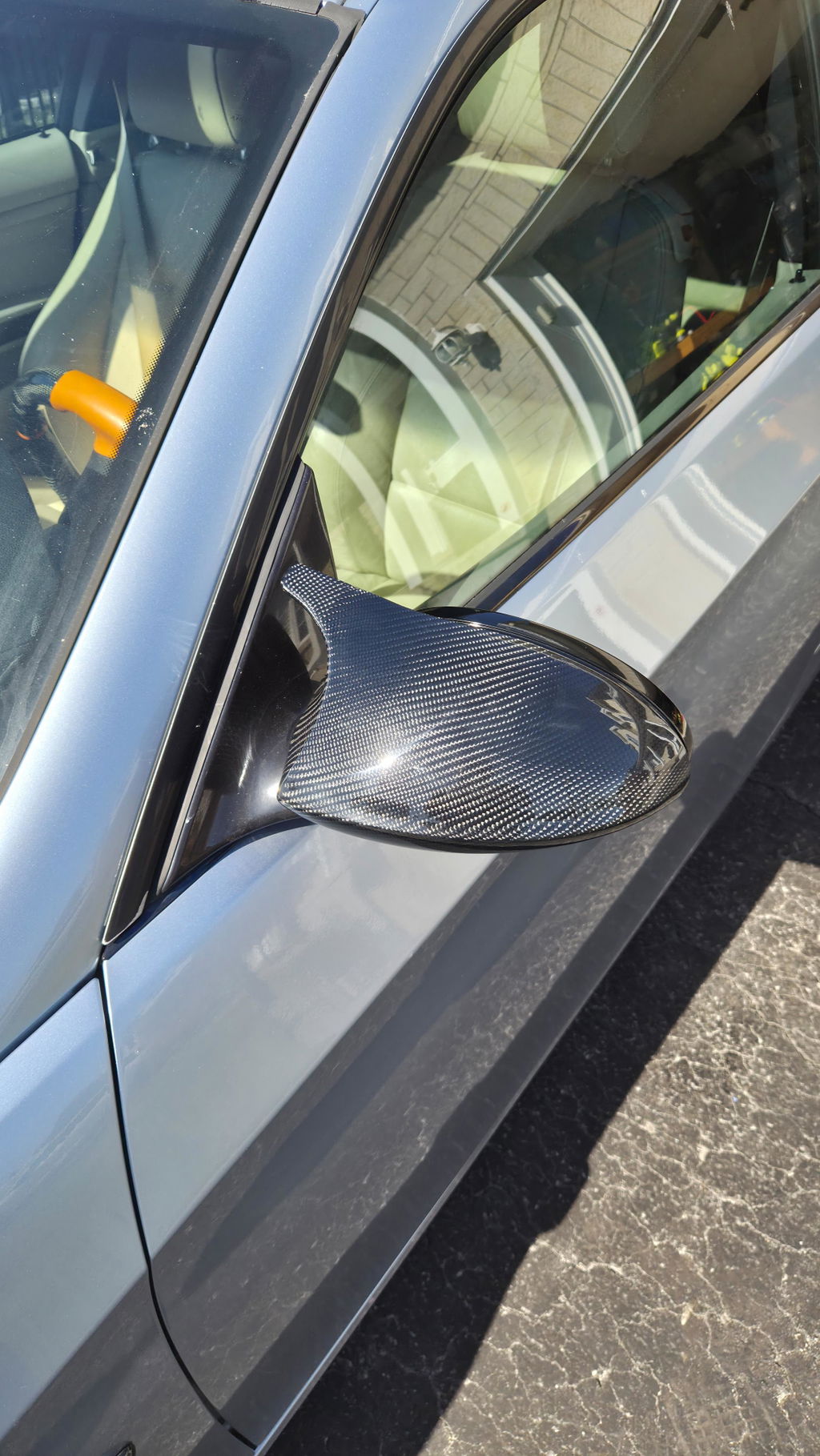
![[JPMCarbon] M3 Style Carbon Fiber Replacement Mirror Covers Fits For 2008-2010 BMW E92 E93 Pre-facelift Only](https://cdn.shopify.com/s/files/1/0774/1263/0850/files/E92MCCF-RM1_22.jpg?v=1710398982)
Perfect fit!
![[JPMCarbon] CS Style Carbon Fiber Front Bumper Add-on Lip Fits For 2003-2006 Mercedes-Benz R230 SL55 AMG Only](https://cdn.shopify.com/s/files/1/0774/1263/0850/files/R23055FLCSCF_R2301_1.jpg?v=1690962536)
Fit was great and so was the quality
![[JPMCarbon] AD2 Style Carbon Fiber Trunk Spoiler Fits For BMW E90 E92 E93 M3 / F80 M3 F82 M4 F87 M2 / G80 M3 G82 M4 G87 M2](https://cdn.shopify.com/s/files/1/0774/1263/0850/files/F82TADCF_F82-87_2.jpg?v=1739235445)